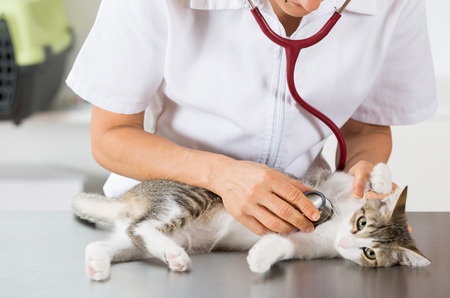
Symptoms, Causes & Natural Remedies
Feline idiopathic cystitis (FIC) is inflammation of the bladder, but in all reality is much more complex than that. Cystitis is unfortunately common in household cats these days. Studies show the correlation between cystitis and stress, yet most conventional veterinarians continue to only treat the symptoms.
This guide from ER veterinarian, Dr. Lynda Loudon, will help you address the root cause of the stress while also helping the symptoms naturally.
*Important Note: If the bladder inflammation becomes sever, it can lead to blockage of the urinary tract – which requires immediate (often life-saving) medical attention.
1. Symptoms of FIC
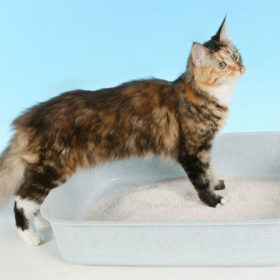
Cats with FIC often show sudden, alarming changes in bathroom habits. Common symptoms include:
Frequent or Painful Urination
-
Straining in the litter box
-
Only passing a few drops at a time
-
Crying or vocalizing during urination
Changes in Litter Box Behavior
-
Going in and out of the box repeatedly
-
Peeing outside the litter box
-
Visiting multiple litter boxes in frustration
Visible Signs of Discomfort
-
Licking the genital area
-
Restlessness or hiding
-
Blood-tinged urine
Emergency Signs (Possible Blockage)
A urinary blockage is life-threatening. Seek emergency care immediately if you see:
-
Straining with little or no urine
-
A hard, painful belly
-
Vomiting, lethargy, or collapse
Male cats are especially vulnerable due to their narrow urethra.
2. Causes of FIC
Dr. Lynda Loudon stresses that FIC is rarely caused by bacteria. Instead, it’s driven by a combination of inflammation, stress, and lifestyle factors.
A. Stress and Environmental Triggers
Stress is one of the most significant contributors to FIC. Common triggers include:
-
Moving or changes in household routine
-
New pets or people
-
Intercat tension or resource guarding
-
Loud noises, travel, construction
-
Human stress that the cat absorbs
Cats are emotional sponges – if their environment feels unpredictable, their bladder often feels it first.
B. Dehydration and Dry Diets
Most FIC cats are eating a dry, ultra-processed diet before symptoms begin.
Dry food:
Cats are designed to get moisture from their food, not from a bowl. Chronic dehydration is one of the biggest risk factors for painful urinary problems.
C. Urine pH Imbalance
Some cats are prone to forming struvite crystals, especially when urine pH becomes too alkaline.
Monitoring urine pH can reveal patterns and help prevent flare-ups.
D. Compromised Bladder Lining (GAG Layer)
The bladder wall is lined with glycosaminoglycans (GAGs), which act as a protective cushion.
Stress, inflammation, and repeated flare-ups can thin or damage this layer, making the bladder more reactive and sensitive.
3. Natural Remedies and Support Strategies
Dr. Loudon emphasizes supporting the bladder holistically – focusing on hydration, stress reduction, and strengthening the bladder lining.
A. Increase Moisture in the Diet
This is the single most important step.
-
Transition from dry food to raw, gently cooked, or canned diets
-
Add water or bone broth to every meal
-
Use fountains or multiple fresh water bowls around the home
Hydrated cats are healthier cats – especially when it comes to urinary health.
B. Reduce Stress & Improve the Environment
Simple changes can dramatically reduce FIC flare-ups:
-
Provide multiple litter boxes (one per cat + one extra)
-
Place boxes on every level of the home
-
Ensure cats can access boxes without being intimidated or ambushed
-
Offer vertical space, hidey spots, and structured play
-
Keep routines consistent
-
Consider pheromone diffusers during stressful periods
Supporting your own stress levels also helps – cats feel what we feel.
C. Helpful Natural Supplements
Dr. Loudon recommends several evidence-informed natural tools:
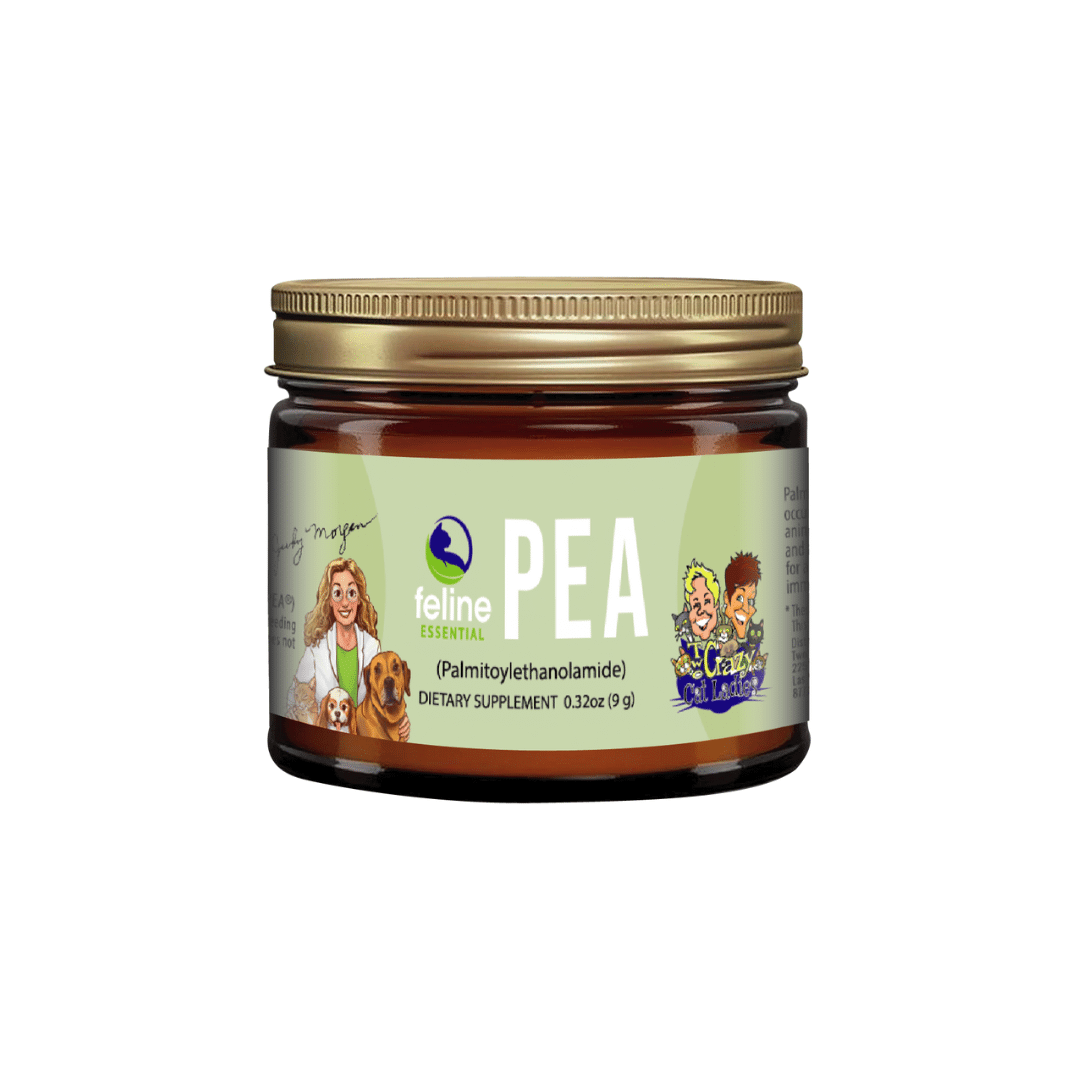
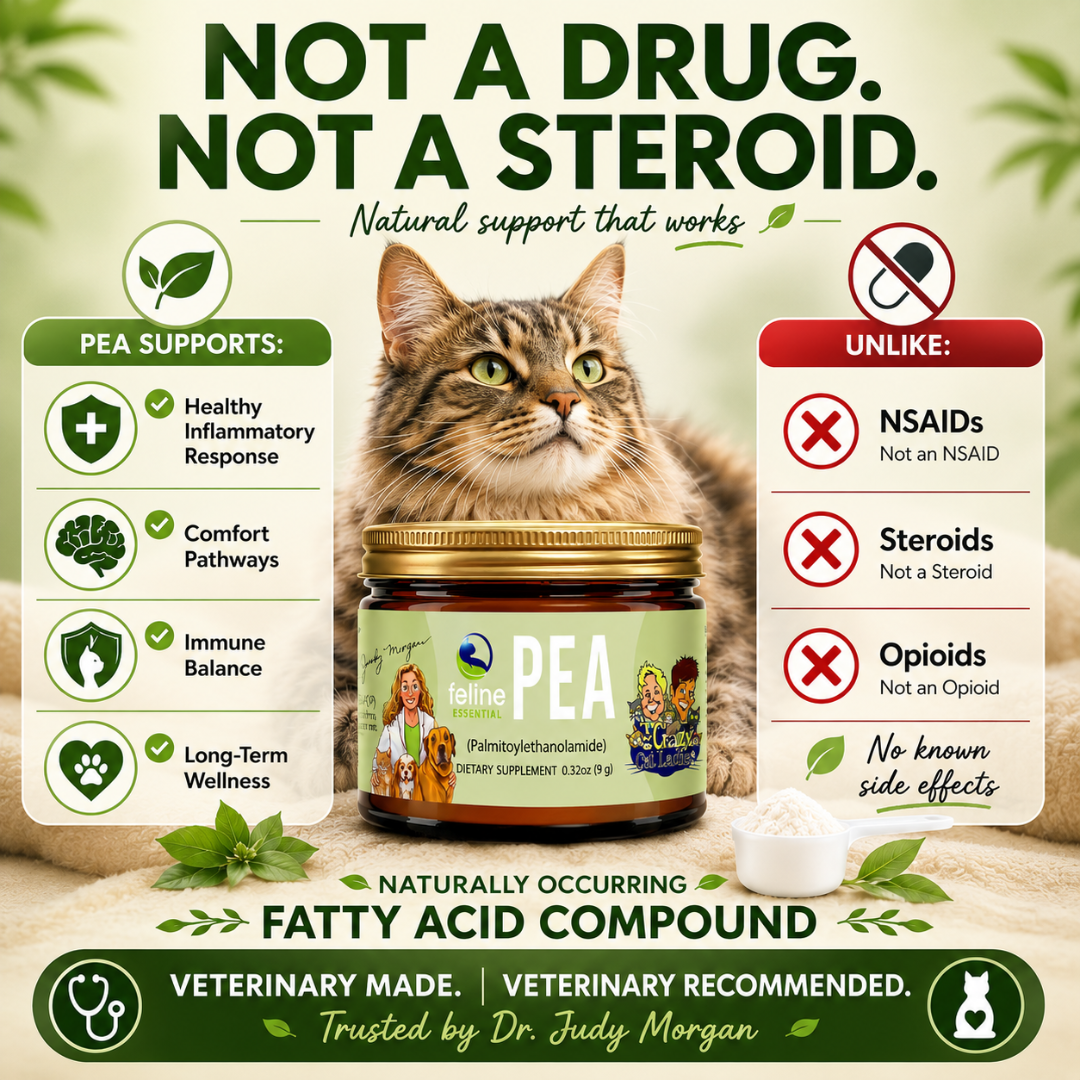
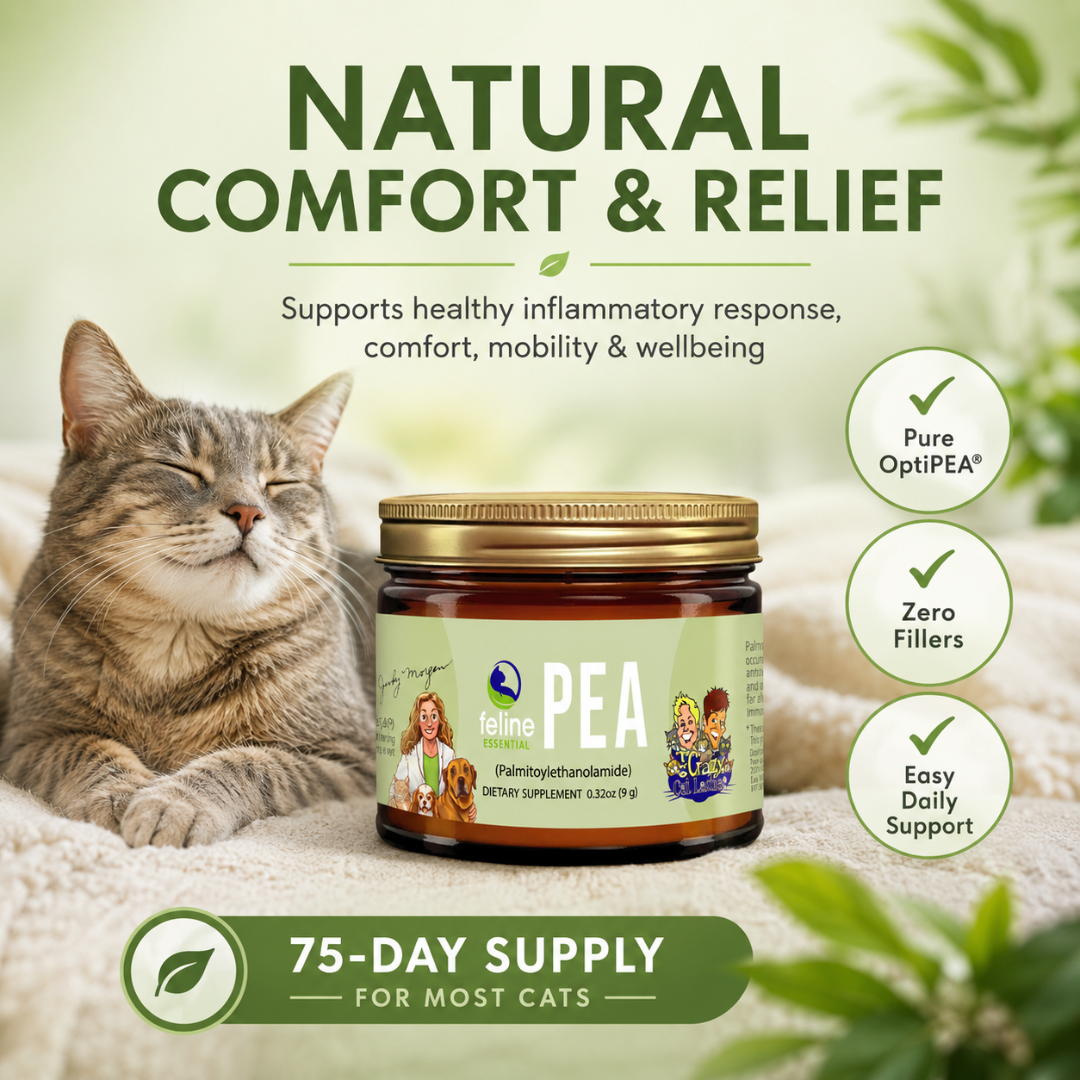
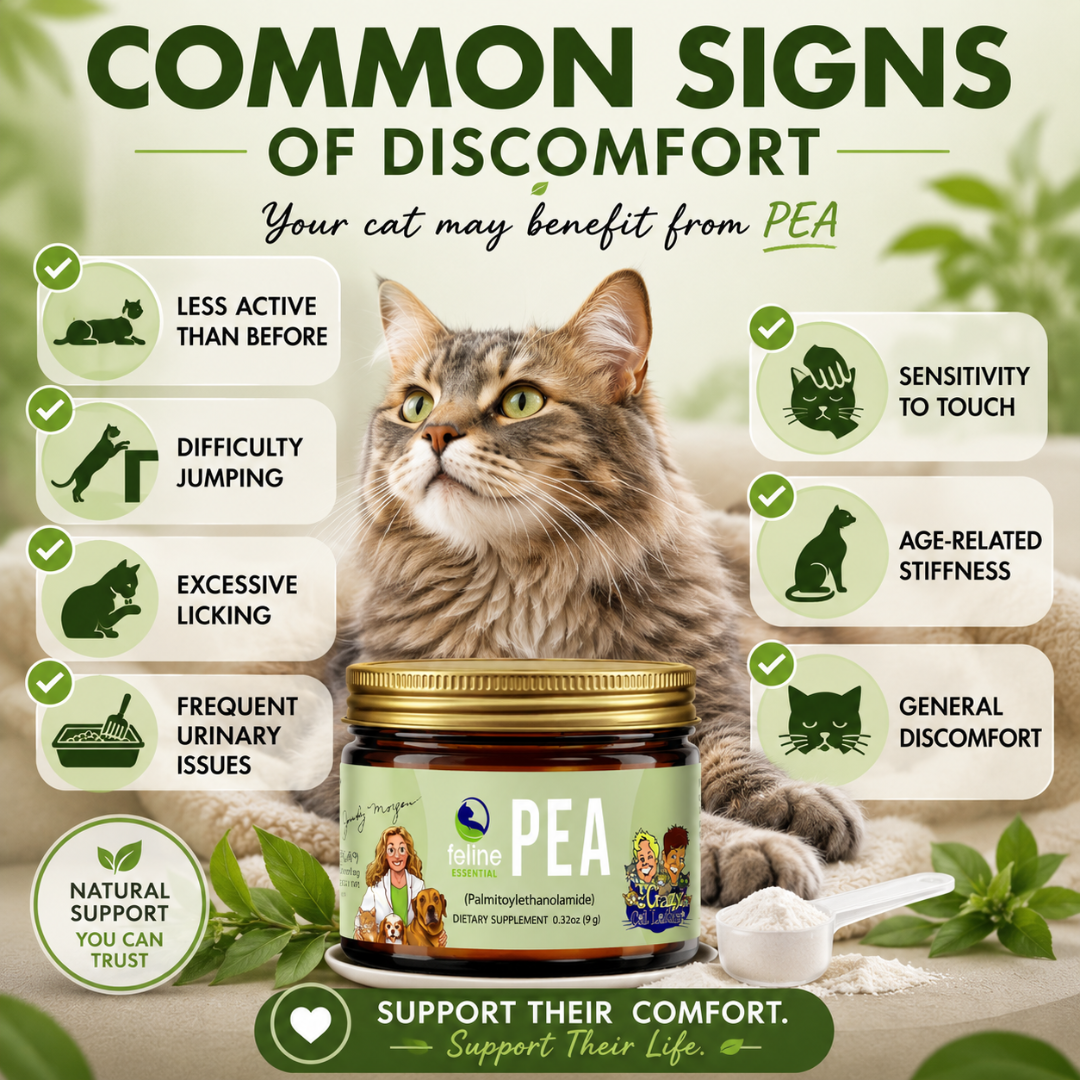
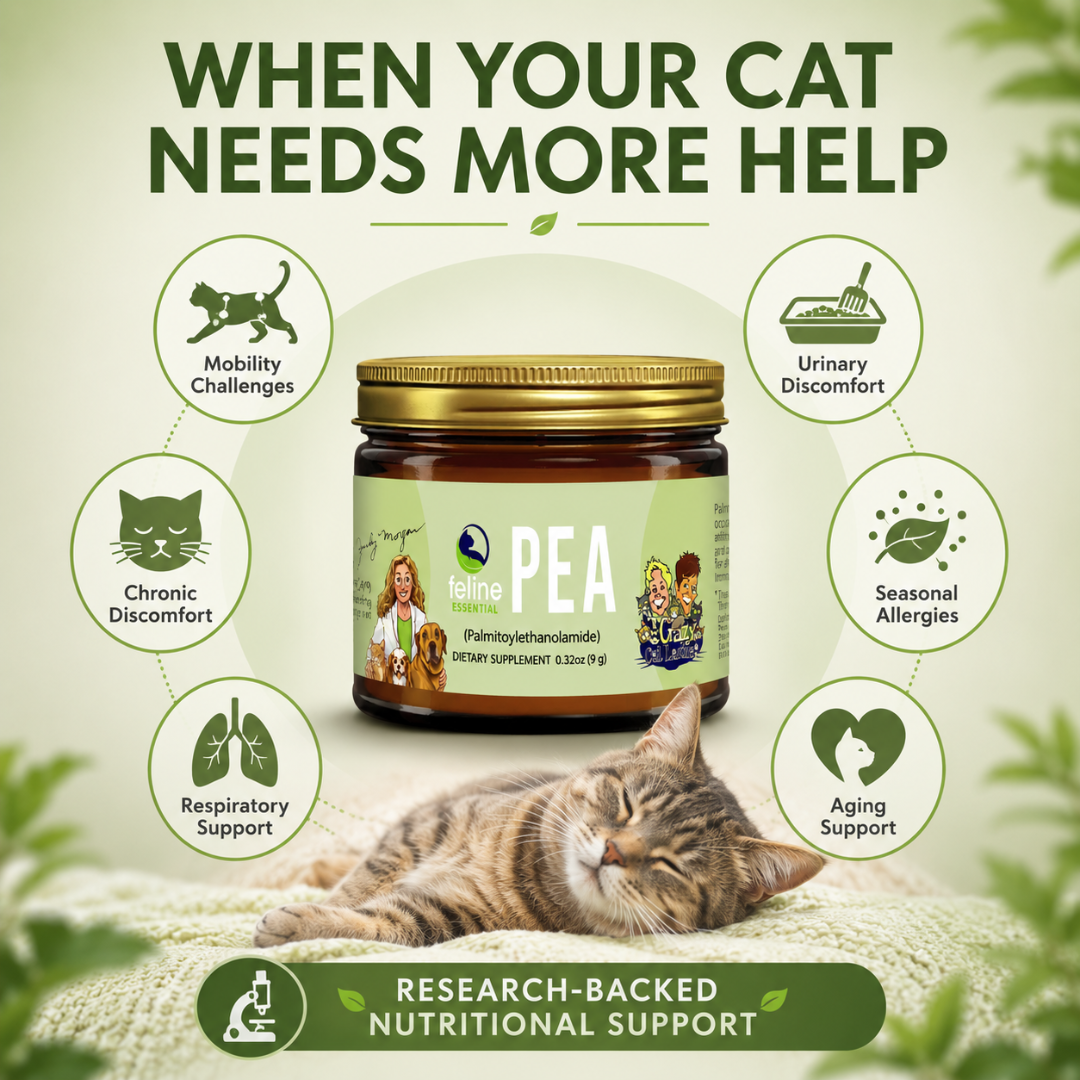
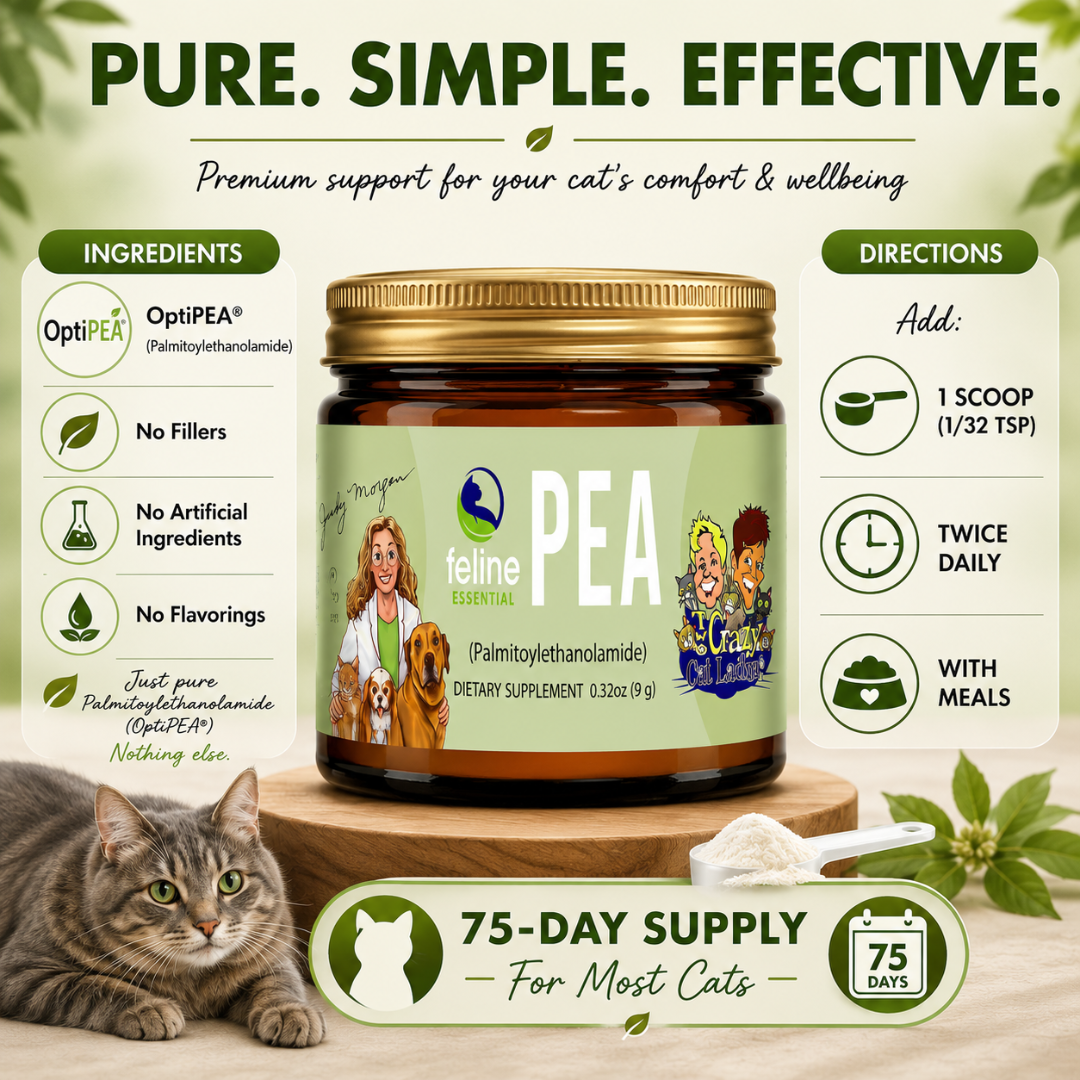
PEA (Palmitoylethanolamide)
A natural fatty acid that reduces inflammation and pain; helpful during flare-ups.
CBD
Supports stress reduction and helps calm the nervous system.
Glucosamine/GAGs
Helps rebuild and protect the bladder’s delicate lining.
Marshmallow Root
Soothes and coats the bladder wall.
Corn Silk
Supports healthy urine flow and mild diuretic action.
Omega-3 Fatty Acids
Reduces inflammation throughout the body.
D. Support the Microbiome
A healthy gut = a calmer immune system.
Microbiome testing (e.g., AnimalBiome) can uncover imbalances contributing to inflammation and stress sensitivity.
E. Monitor Urine pH
Keeping pH in a healthy range (often around 6–6.5) can prevent struvite formation.
Use pH strips to monitor at home.
Supporting Your Cat Through FIC
With the right diet, environment, and natural support, most cats can live comfortably and avoid urinary emergencies. Dr. Lynda Loudon’s message is clear: FIC is manageable – and understanding it is the key to preventing future suffering.
To watch Dr. Loudon’s full interview, click here.