
Eosinophilic Granuloma

Symptoms, Causes & Natural Remedies

Feline eosinophilic granulomas are an inflammatory skin issue that presents as a wide variation of lesions that are frequently ulcerated. This condition is tough for both the cat and the cat parent. This ailment usually appears between 2-6 years of age. The conventional treatment is typically corticosteroids, which isn’t safe to use long term. We were able to wean our cat with eosinophilic granuloma complex (EGC) off of the steroids and give him a happy and healthy life using natural remedies. In this guide we will tell you how we treated this naturally and offer other solutions from experts in the field. 

Symptoms of Eosinophilic Granuloma in Cats

  • Raised lumpy sores on the face, head, nose, chin, inside the mouth or back of the thighs
  • Ulcerated sores on lips (also called rodent ulcers)
  • Round, ulcerated sores on abdomen and thighs (eosinophilic plaque)

Causes of Eosinophilic Granuloma in Cats

The exact cause of eosinophilic granulomas is unknown, however, many veterinarians and experts have linked this ailment to:

  • Antibiotic treatments
  • Over vaccinations
  • Heart medications
  • Certain insects
  • Allergy-inducing foods
  • Severe upper respiratory infections

Natural Treatments for Eosinophilic Granulomas in Cats

When our cat was first diagnosed with “rodent ulcers” the vet wanted to put him on steroids for life. Knowing the side effects of long-term steroid use, we decided to hold off and do some research first. We first eliminated fish from his diet (one of the allergy-inducing foods), and his lip sores disappeared. But the problem didn’t go away completely, as the sores later appeared on his face, thighs and inside his mouth. 

We consulted with our holistic vet as well as Kinesiologist, Pam Roussell, for natural support. We began using homeopathy as well as energy healing and diet & supplement tweaking to get his symptoms under control.

Here are the remedies we gave him over the years (not all at the same time):

  • Apis mellifica, 200c 
  • CATalyst Antixidant Enzyme Formula
  • Standard Process Feline Enteric Support
  • Standard Process Feline Immune Support
  • Standard Process Magnesium Lactate
  • Standard Process Zinc Chelate
  • Omega 3 fatty acids

What Research Shows:  

In a feline pilot study on eosinophilic granuloma/eosinophilic plaque, 10 of 15 cats, 67%, improved clinically after one month using palmitoylethanolamide (PEA).


And here is renowned Feline Kinesiologist, Pam Roussell’s recommendation for eosinophilic granulomas in cats:

If due to Calicivirus (respiratory) outbreak:

  • Aconitum napellus 30C/200C
  • Nux vomica 30C
  • Natrum muriaticum 6C, or Pulsatilla 30C followed by Silicea 30C.

If mouth ulcers associated

If the cause is vaccinosis

A specific vaccine detox would be recommended using the appropriate homeopathic remedy, milk thistle for liver support, and possible lymphatic drainage support as well.  A supplement to bind and remove heavy metals may also be indicated. In some cases, using Nitricum Acidum alongside detox is needed.

Click here to get Pam’s help directly

Recommended Product for Eosinophilic Granulomas

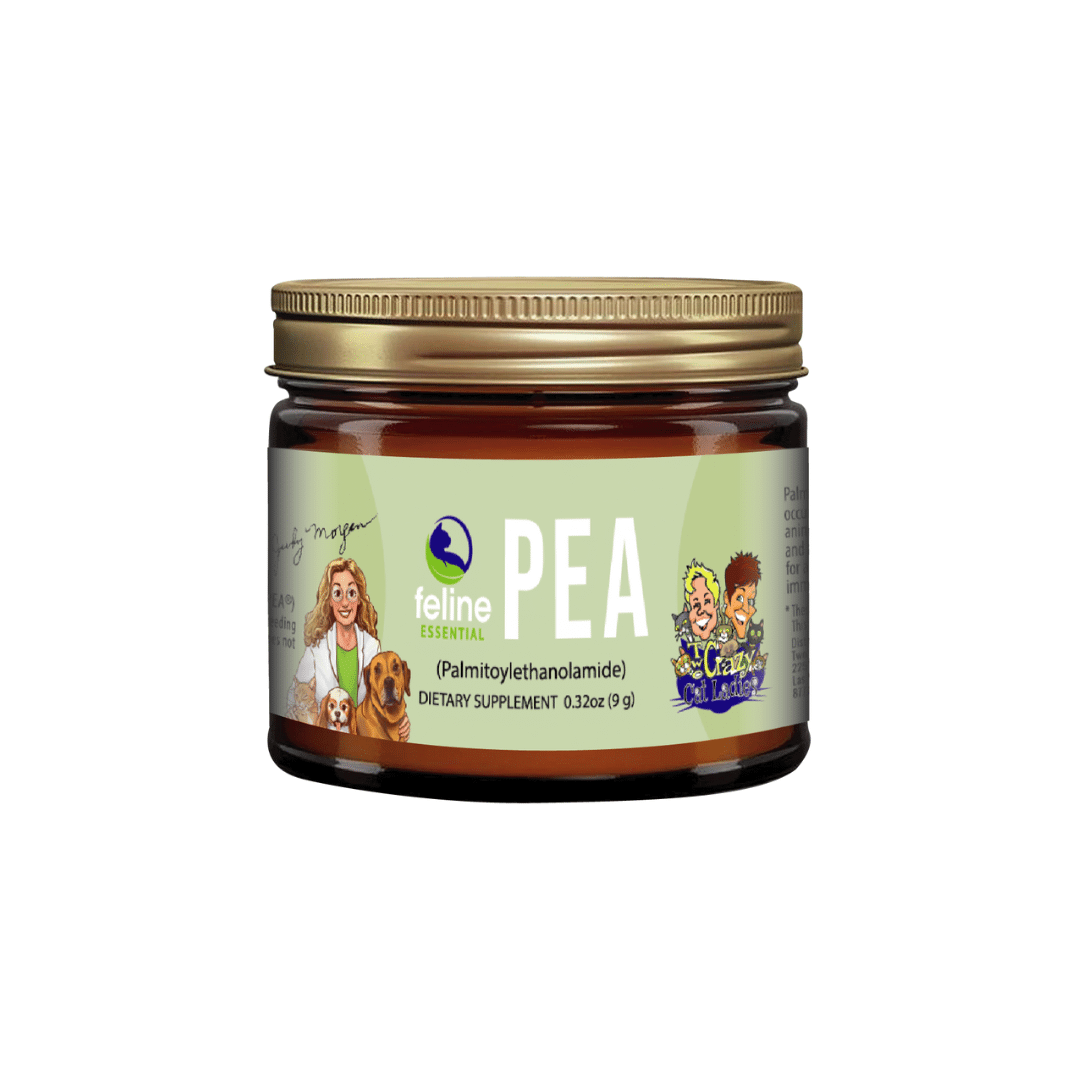
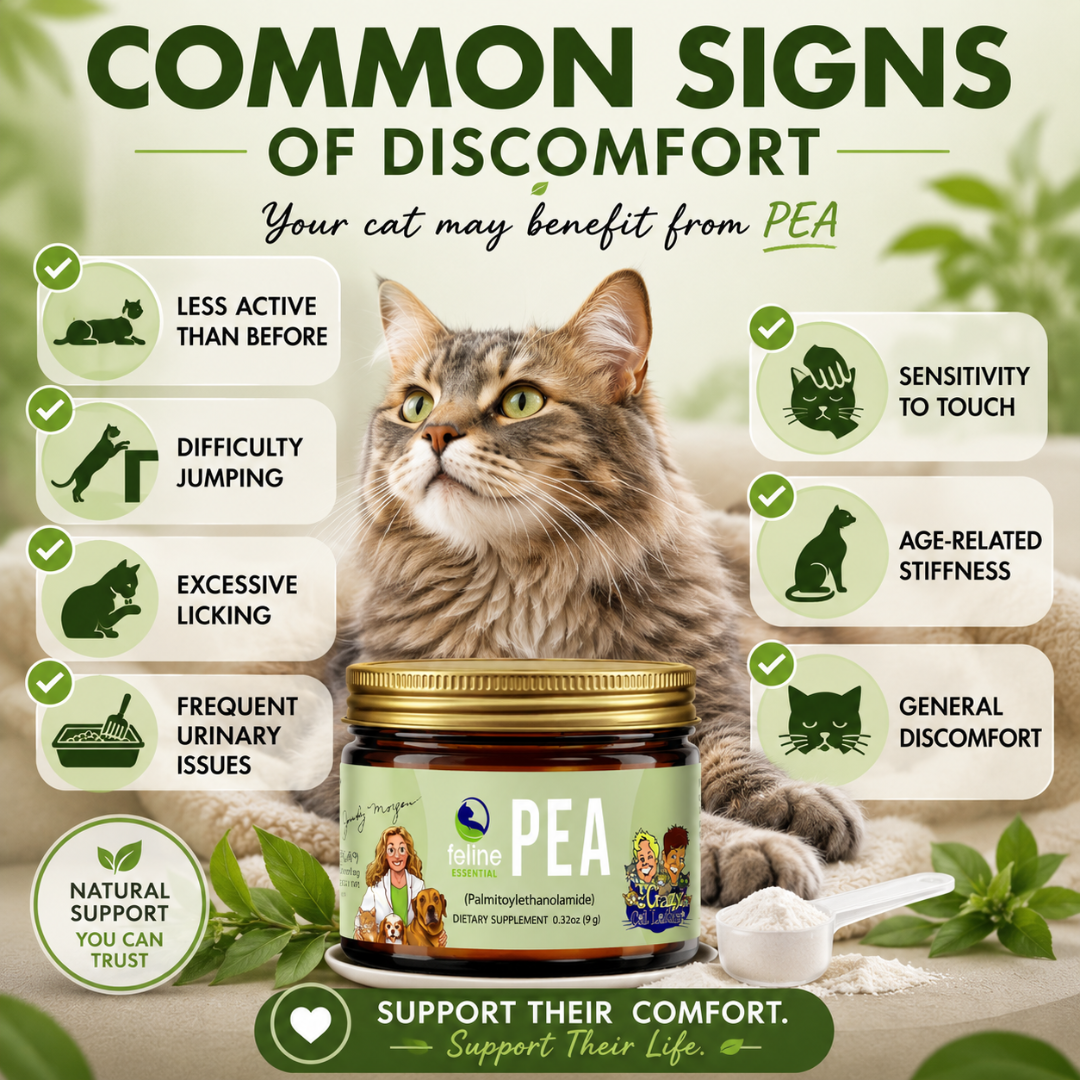
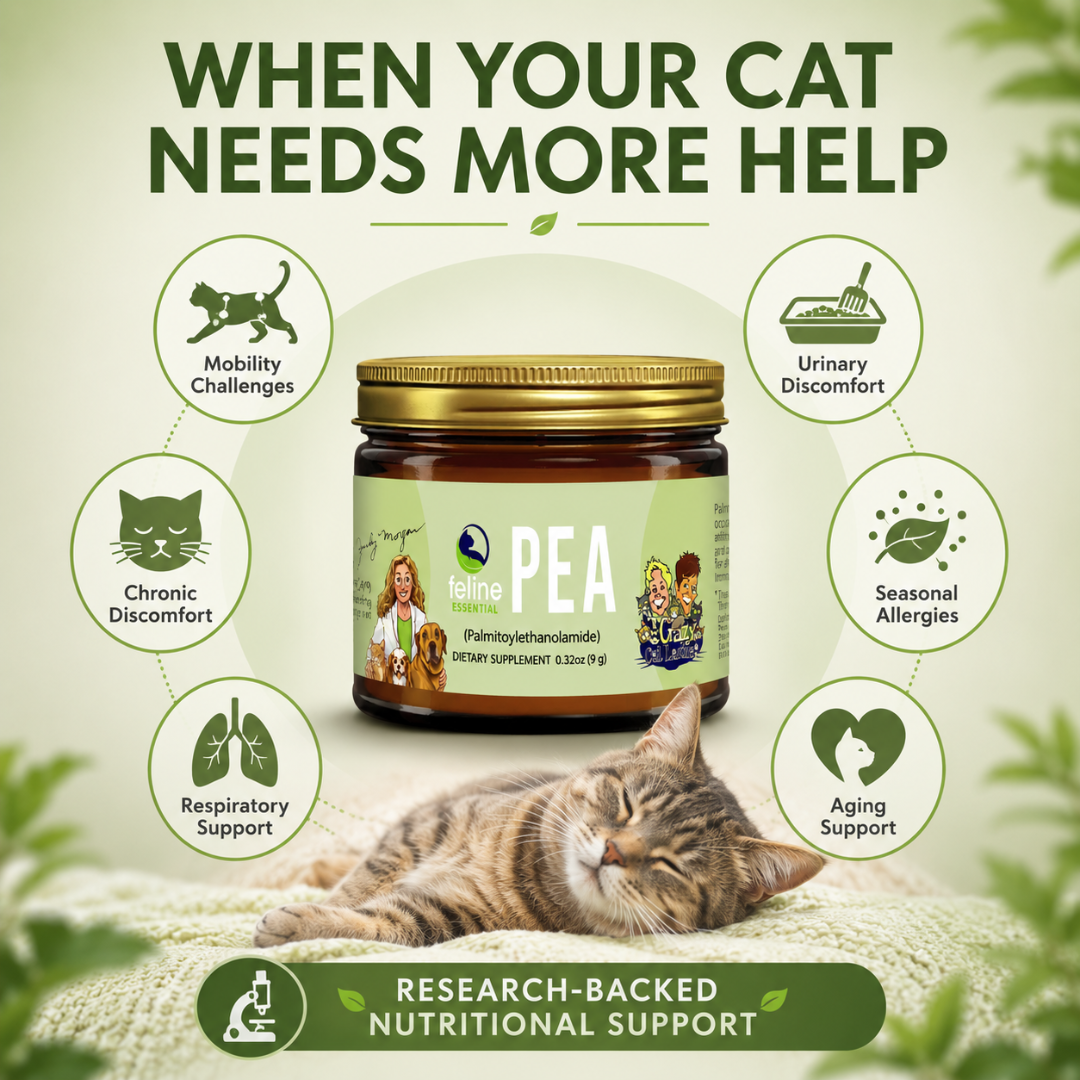
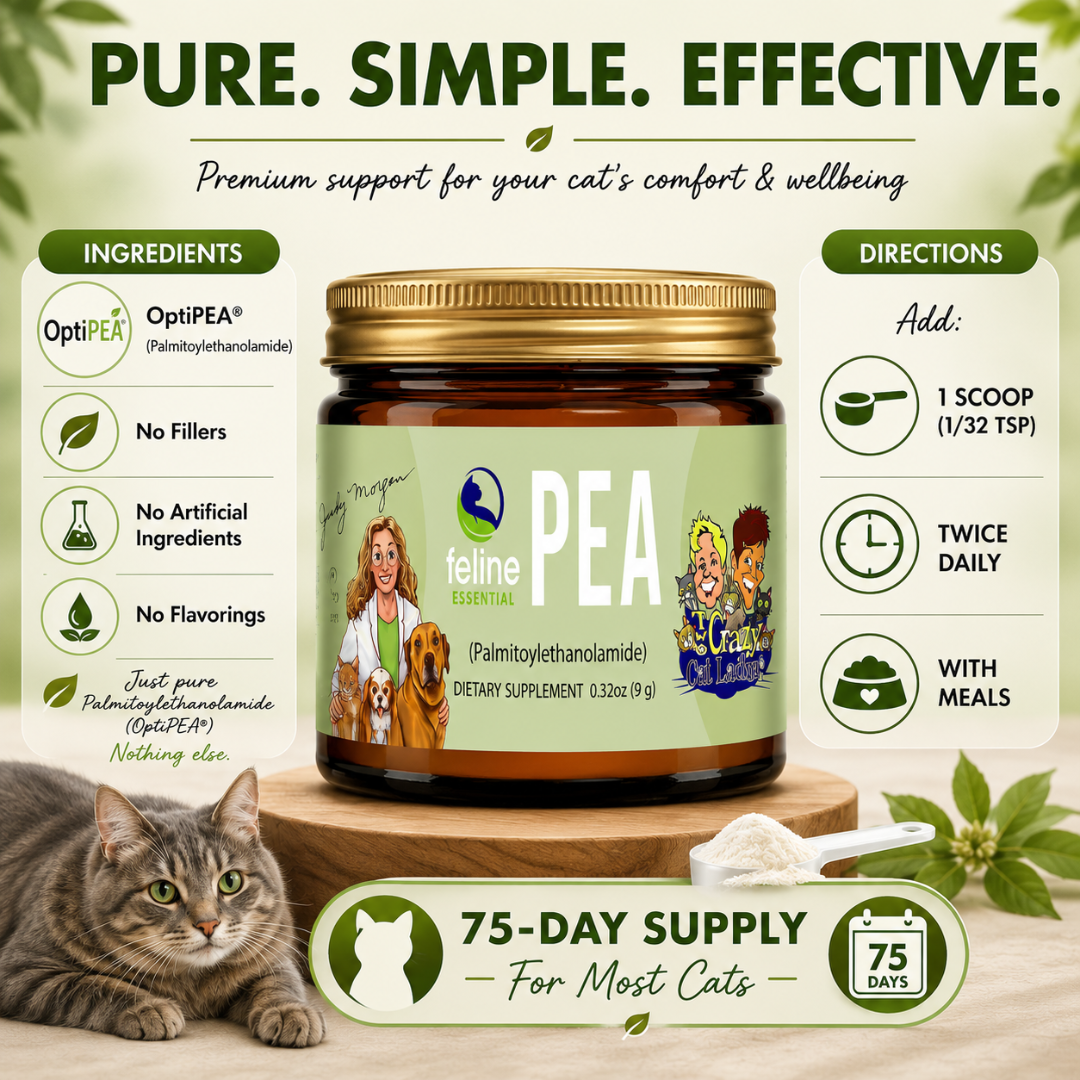
PEA for Cats

🔥 WAREHOUSE SALE: SAVE 30%! Discount automatically applied at checkout, no code needed. Best By March 2027, so please purchase only what your cat can reasonably use by then. Only while supplies last!

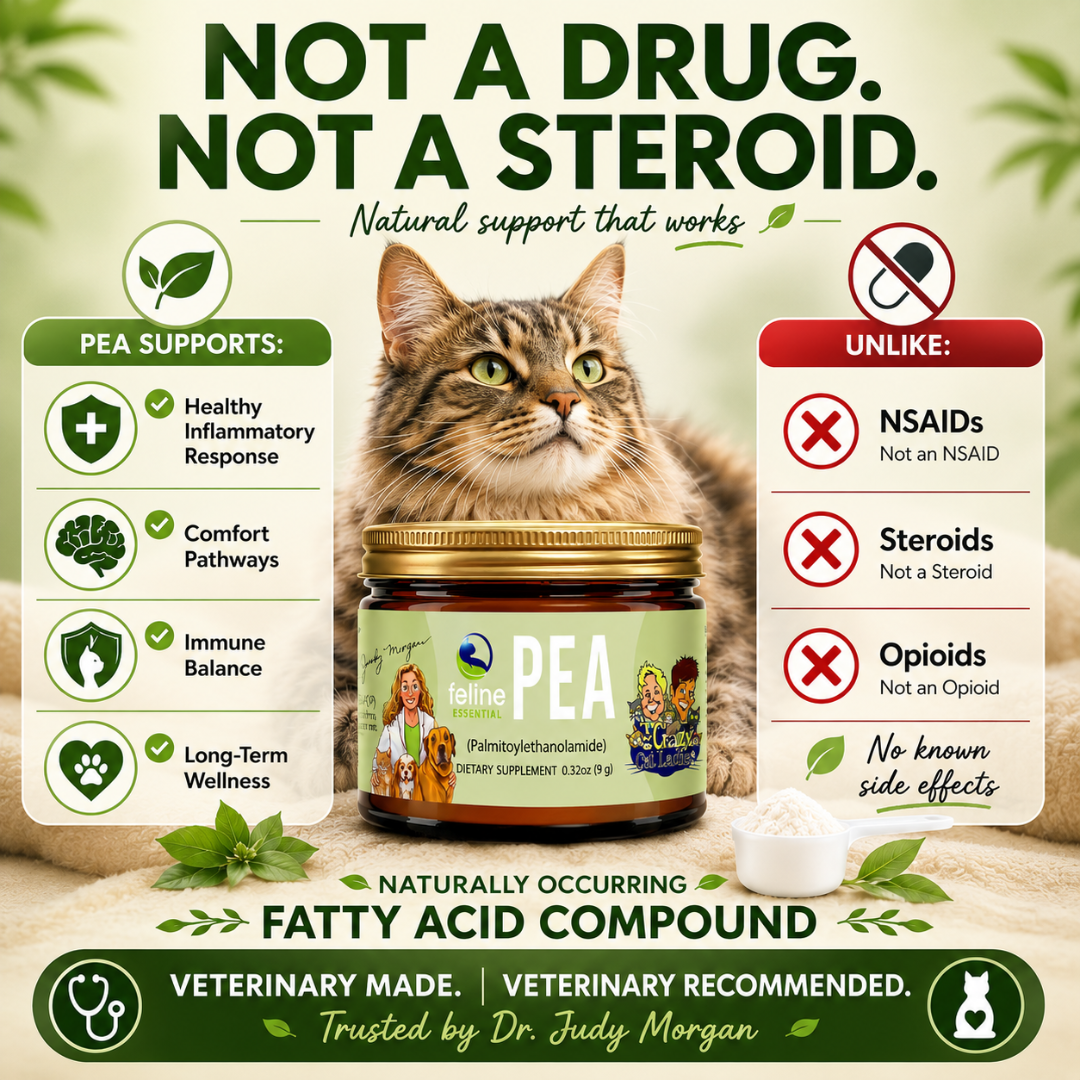
Palmitoylethanolamide, also known as PEA, is a naturally occurring fatty acid compound found in plants and animals. PEA works by supporting the function of glial (nerve) and mast (immune) cells in the body. A tiny amount of this wonder supplement can go a long way in bringing support to cats who struggle with ailments that other treatments just aren’t helping. Without any known side effects and a super easy addition to the food, this is a must have for cats!

Formulated in collaboration with award-winning integrative veterinarian Dr. Judy Morgan, whose four decades of clinical experience have helped thousands of pets around the world.

Areas of PEA research include:

  • Chronic pain of various sources.
  • Cystitis and chronic urinary tract disease.
  • Allergies (itching and skin lesions).
  • Mast cell tumors.
  • Idiopathic pulmonary fibrosis.


PEA does not directly block pain signals the way opioids and analgesics do. It is not an NSAID, opioid, or steroid. Instead, it works with the body’s own natural systems to help support a healthy inflammatory response and promote long-term comfort.

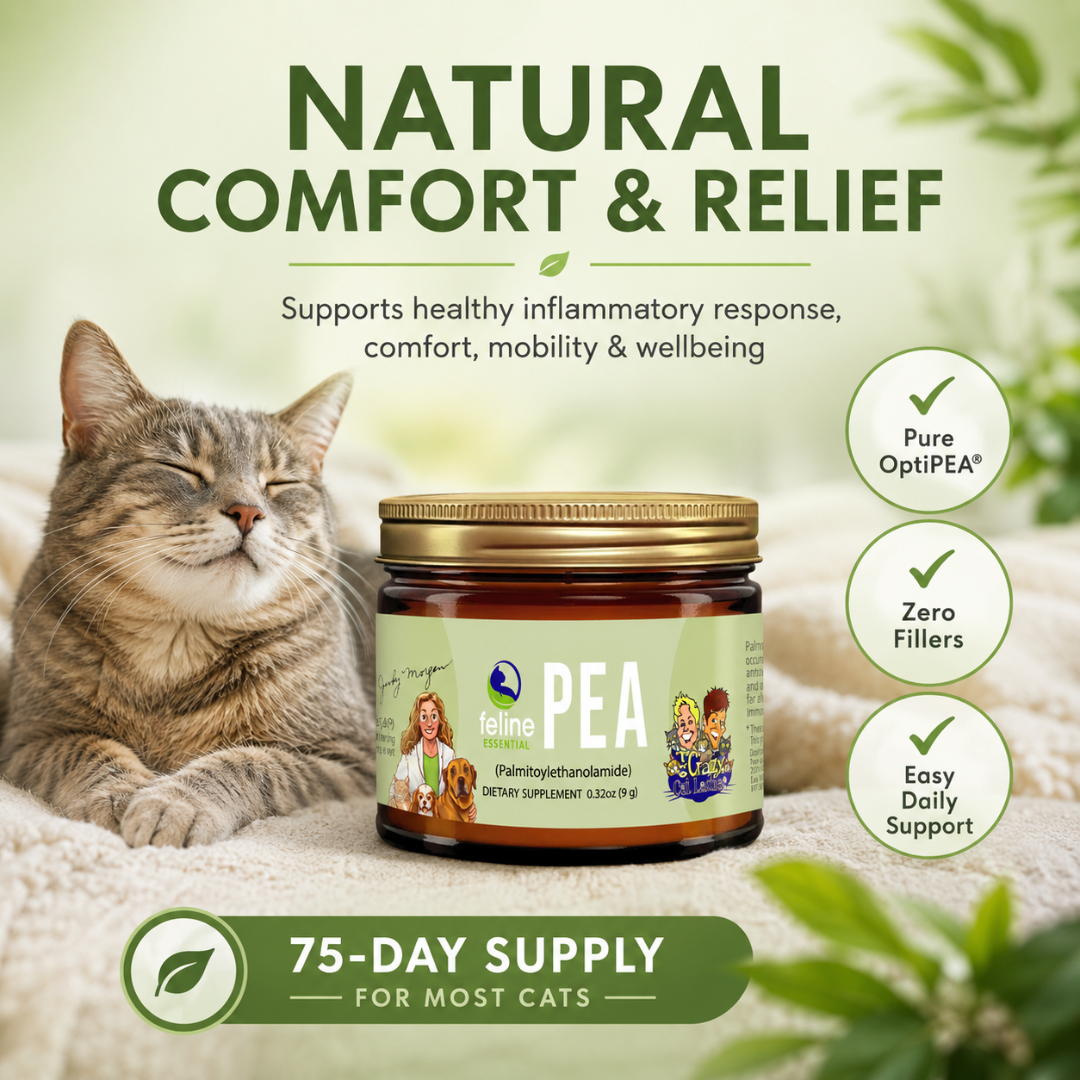
One bottle is a 75 day supply for most cats.

$29.99

In stock (can be backordered)

In stock (can be backordered)

This product will earn 29 points if you create an account.

You Might Also Be Interested In ...

What Our Clients Say
2237 reviews
×
 
Why Choose to Autoship? (available in US only)
  • Automatically re-order your favorite products on your schedule & save 5%.
  • Easily change the products or shipping date for your upcoming Scheduled Orders.
  • Pause or cancel any time.