...

Updated 7/2/2026

One of the questions we hear most often is:

“Which dry food is best for my cat?”

Our answer may surprise you.

While there are better quality kibbles than others, we don’t recommend feeding a dry food only diet. Here’s why.

Why We Don’t Recommend a Dry Food Only Diet


Cats are obligate carnivores, meaning their bodies are designed to thrive on a moisture rich, prey based diet.

Most commercial dry foods are highly processed and cooked at extremely high temperatures to create the hard kibble shape. Unfortunately, this process destroys many naturally occurring nutrients, which are then added back in through synthetic vitamins and minerals.

A simple way to think about it is this:

Imagine if humans ate nothing but processed snack foods every day and rarely consumed fresh, whole foods. While you might survive, you probably wouldn’t feel or function your best over time.


Cats Are Designed to Get Hydration From Their Food

One of the biggest concerns with dry food is hydration. Cats that only eat kibble are in a constant state of dehydration. 

Cats evolved as desert animals, so they naturally have a very low thirst drive. Instead of drinking large amounts of water, they are designed to get most of their hydration from the food they eat.

In nature, a cat’s prey contains around 70% moisture.

Most dry foods contain only 6 to 10% moisture.

Even if fresh water is always available, many cats simply don’t drink enough to make up the difference. Over time, chronic low grade dehydration may contribute to urinary tract issues and kidney issues.


Dry Food Contains Much More Carbohydrate Than a Cat’s Natural Diet

A cat’s natural prey based diet typically contains around 2% carbohydrates or less.

Many commercial dry foods contain 40% carbohydrates or more.

While cats can digest some carbohydrates, they have no nutritional requirement for them and are not designed to rely on them as a primary source of energy. Many dry food diets also contain questionable  and even harmful ingredients – like artificial dyes, preservatives, and by-products. 

Over time, a consistently high carbohydrate diet may contribute to metabolic stress and has been associated with obesity, chronic inflammation, and diabetes.


What If My Cat Eats Kibble?

We completely understand.

Many cat parents feed kibble because it is what their cat prefers, it fits their budget, or it is simply what works for their family. There is absolutely no judgment here.

If your cat eats dry food, there are several simple ways to make their bowl healthier.

  • Add water or, even better, a pet safe bone broth to increase moisture.
  • Add fresh foods. Even replacing just 20% of the bowl with fresh, moisture rich food can help improve hydration and support long term health.
  • Make gradual changes. Small improvements really do add up over time.


Why Is It So Hard to Transition Cats Off Kibble?

If you’ve ever tried switching your cat from kibble to fresh food, you already know it is not always easy.

Many dry foods are coated with highly palatable flavor enhancers made from ingredients such as animal digest, rendered animal fats, and hydrolyzed proteins. These coatings create the strong savory aroma that cats naturally find appealing.

That is one reason some cats become “addicted”  to kibble.

The good news is that with patience, consistency, and lots of love, many cats can learn to enjoy fresh, species appropriate foods. The transition may take time, but the long term health benefits can make the effort well worth it. 

You can find the full presentation and guide The Ladies shared with veterinarians and pet nutrition professionals around the world in 2025, where it was met with an overwhelmingly positive response here. Remember, every healthier choice you make for your cat matters. Whether you are adding more moisture, incorporating fresh foods, or slowly transitioning away from kibble, each small step helps support your cat’s health and well being for years to come.


Frequently Asked Questions


Is dry food bad for cats?

Dry food is not toxic to cats, but we do not recommend feeding a dry food only diet. Cats are designed to eat moisture rich prey and receive most of their hydration from their food. Because kibble is low in moisture and typically much higher in carbohydrates than a cat’s natural diet, feeding it exclusively may contribute to dehydration and other long term health concerns.

Is wet food better than dry food for cats?

In general, yes. Wet food more closely mimics a cat’s natural prey by providing significantly more moisture and usually fewer carbohydrates than dry food. This better supports hydration and overall health.

Why don’t cats drink much water?

Cats evolved as desert animals and naturally have a very low thirst drive. Their bodies are designed to obtain most of their water from the food they eat rather than from a water bowl. This is one reason why feeding moisture rich foods is so important.

Can cats live on dry food alone?

Many cats do survive on dry food alone, but surviving and thriving are not the same thing. A moisture rich, species appropriate diet is generally a healthier choice because it better supports hydration and more closely reflects the way cats are designed to eat.

How can I make kibble healthier?

If your cat currently eats kibble, don’t worry. There are simple ways to improve their diet.

  • Add water or a pet safe bone broth to increase moisture.
  • Mix in wet or fresh food. Even replacing 20% of the bowl with fresh food can make a meaningful difference.
  • Offer healthy treats such as freeze dried meat or small amounts of fresh cooked meat.
  • Transition slowly and be patient. Many cats need time to accept new foods.

Every small improvement you make helps support your cat’s health.


Recommended Product For Your Cat


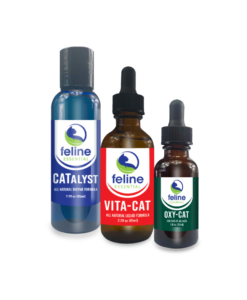
CATastic Wellness Kit

What Our Clients Say
2173 reviews
×
 
Why Choose to Autoship? (available in US only)
  • Automatically re-order your favorite products on your schedule & save 5%.
  • Easily change the products or shipping date for your upcoming Scheduled Orders.
  • Pause or cancel any time.