

Why Is Your Cat Refusing Food? Maybe They’re Trying to Tell You Something
Have you ever put your cat’s favorite food down in front of them, only to have them sniff it, look at you like you’ve offended them, and walk away? If you’re wondering, “Why is my cat refusing food they normally love?” it may be more than just having a picky cat.
There are many reasons cats reject food, and sometimes the food itself is the problem. Pet food companies can change formulas, suppliers, ingredient sources or processing methods. Natural ingredients can also vary from one batch to another, and because smell plays such an important role in how cats experience their food, they may notice a difference long before we do.
But that’s only one possibility.
The more we’ve learned to pay attention to our cats at mealtime, the more we’ve realized that refusing food isn’t always a behavior we need to “fix.” Sometimes it’s communication. And if we listen, our cats can actually teach us quite a bit.
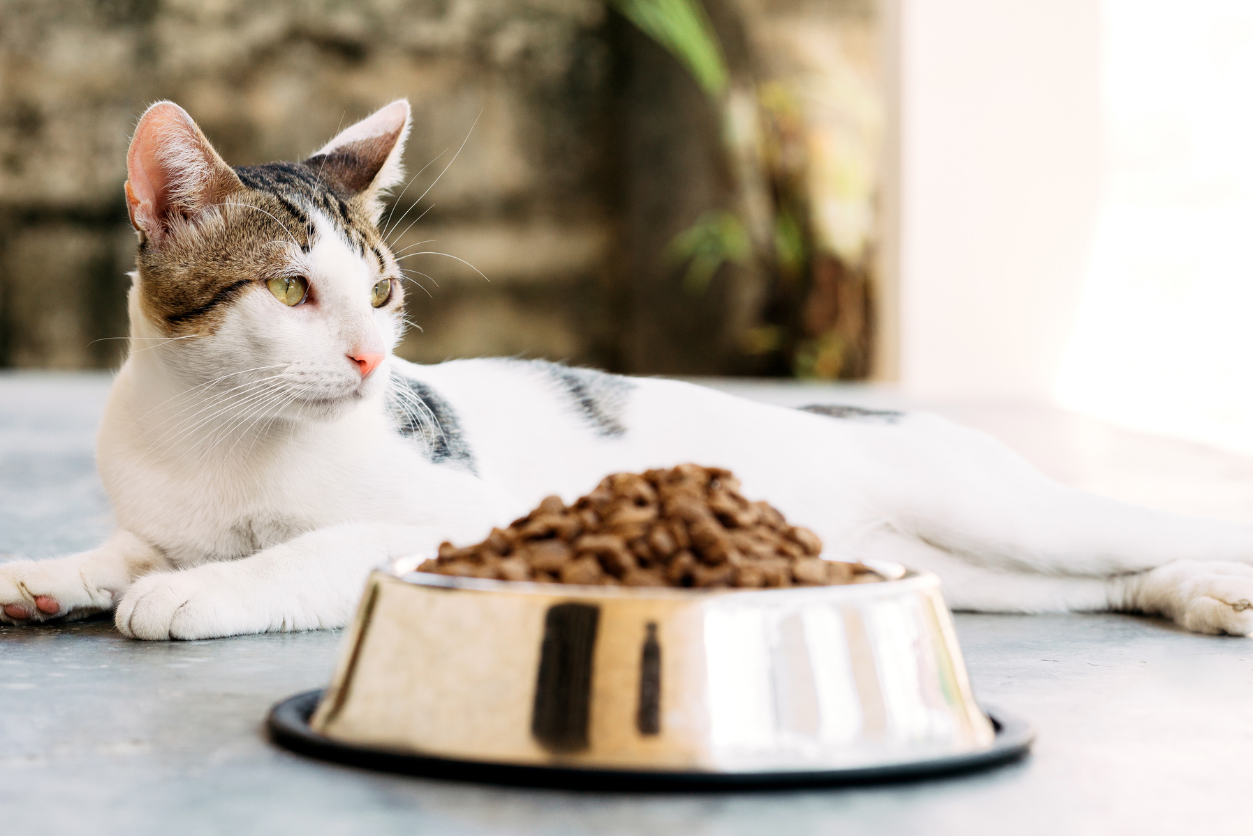
What Our Cats Taught Us About Refusing Rabbit
We’ve fed our current clowder a species-appropriate raw diet since they were kittens, and one of their longtime favorites is Fetching Foods, a local company that hand-prepares fresh food every two weeks. Our cats LOVE their rabbit. Except, sometimes they don’t.
Over the past few years, we started noticing strange stretches when suddenly none of them wanted the rabbit. When one cat turns their nose up at something, that’s one thing. Cats are individuals and certainly have their preferences. But when the whole clowder suddenly rejects a food they normally devour, we pay attention.
At first, we assumed something must have changed with the food. Maybe the rabbit came from a different source, or the quality had changed somehow. But then, without us doing anything, they would eventually start loving rabbit again.
Last year someone we were talking to offered an interesting thought: Maybe they like the spring rabbit better than the winter rabbit.
That clicked for us.
We sometimes forget that the meat in our cats’ bowls came from an animal, and meat isn’t necessarily identical throughout the year. An animal’s diet, age, environment and other factors can influence characteristics of the meat, while seasonal differences in diet and available forage may affect its composition and flavor. Could our cats detect differences between batches that we couldn’t detect ourselves? Absolutely.
So we started adjusting our food orders based on what they like during different times of the year. Instead of being frustrated that they wouldn’t eat something we had purchased for them, or immediately placing blame on the company making their food, we listened to our cats and adjusted.
And that felt pretty awesome.
Why Is My Cat Refusing Food They Normally Eat?
When a cat refuses a meal, the first thing we want to understand is what they’re actually refusing.
Are they refusing one particular flavor but happily eating something else? Are they refusing a certain batch of their normal food? Did the problem begin after you started adding a new supplement? Are they interested in treats but not their regular meals? Or has your cat suddenly lost interest in all food?
Those are very different situations.
Before deciding your cat is simply being picky, consider what may have changed.
1. The Food Really May Have Changed
If your cat is refusing food they’ve happily eaten for months or years, don’t automatically dismiss their reaction. Manufacturers can change formulas, suppliers, ingredient sources or processing methods, and even when a recipe technically hasn’t changed, natural ingredients themselves can vary.
Look at the food. Smell it. Check the expiration date and lot number. Pay attention to differences in color, consistency or texture. If you have another package or can from a different lot, see if your cat reacts differently to that one. You can also contact the manufacturer and ask whether anything has changed.
Your cat refusing the food doesn’t necessarily mean there is something wrong with it, but their reaction is information worth paying attention to.
Listen.
2. There May Be Too Many Supplements in the Bowl
Obviously, we love supplements, but sometimes in our quest to give our cats ALL THE GOOD THINGS, we accidentally turn dinner into a science experiment. A powder for this, drops for that, some oil, a probiotic, another supplement… and somewhere underneath all of it is the food our cat originally wanted to eat.
If your cat happily eats their food plain but suddenly loses interest once everything is added, consider what that meal smells and tastes like from their perspective. Their keen sense of smell is part of what determines whether something is appealing enough to eat, and all those additions can change the scent, taste and texture of the meal.
That doesn’t mean you have to stop giving beneficial supplements. It may simply mean introducing them individually, starting with smaller amounts when appropriate, dividing them between meals, or giving it in a high-value treat instead of putting everything into one dish.
Sometimes we need to adjust what we’re doing instead of blaming the cat for being picky.
3. Your Cat May Not Recognize a New Food as Food
If you recently changed diets and now your cat is refusing food, don’t assume that means they hate the new food. They may genuinely have no idea what you’ve just put in front of them.
Think about a cat who has eaten the same dry kibble for eight years. Their entire understanding of “food” may be little dry pieces that crunch and smell a certain way. Then one day we put a plate of fresh meat in front of them and can’t understand why they won’t eat it.
We know it’s food… but they don’t.
To most humans, kibble, pâté, shredded wet food, gently cooked food and raw food are all cat food. To a cat who has only experienced one texture their entire life, another type of food can be completely foreign.
That doesn’t necessarily mean they dislike it. It may mean we need to slow down, have patience and help them understand that this strange new thing we’re offering is something they can eat. Let them investigate it. Offer tiny amounts alongside something familiar. Gradually introduce different smells and textures instead of expecting them to understand an entirely new diet overnight.
When we’re trying to transition our cats to a better food, patience will get us a lot further than frustration.
4. Your Cat May Be Tired of Eating the Same Food
Imagine eating the exact same chicken dinner for breakfast, lunch and dinner. Tomorrow, more chicken. Next Tuesday? Chicken again. Next year? Hope you still like chicken.
We’re big believers in offering cats variety when possible. Different proteins, textures and brands provide different experiences at mealtime, but variety can also help prevent us from creating a cat who believes there is only ONE acceptable food on planet Earth.
Foods get discontinued. Recipes change. Companies go out of business. Sometimes our cats’ nutritional needs or preferences change. If your cat is comfortable eating several appropriate foods instead of one specific flavor from one specific brand, you have options when these issues happen.
5. Your Cat May Simply Not Be Hungry
Sometimes when a cat refuses food, the answer is surprisingly simple: they aren’t hungry.
We tend to think our cats should eat the exact amount we have decided they need at every meal, every single day. But appetite can fluctuate. Activity changes, caloric needs change and sometimes we simply put more food in the bowl than our cat’s body needs.
If your cat routinely leaves some food behind but is otherwise healthy, active, maintaining their weight and still eating, take a look at how much you’re actually offering them. Don’t forget treats, toppers and all the little bites that we often forget when we’re doing the math. 😂
There is an important distinction, however, between a cat who isn’t particularly hungry for one meal or rejects one particular food and a cat who suddenly loses interest in eating altogether.
6. Your Cat May Not Feel Well
If you’re asking “Why is my cat refusing food?” because your cat suddenly doesn’t want to eat anything, that’s different from rejecting one flavor or walking away from an occasional meal.
A significant change in appetite should always get our attention because cats may eat less or stop eating when they aren’t feeling well. Nausea, dental or oral pain, gastrointestinal problems, stress, pain elsewhere in the body and many illnesses can affect a cat’s desire or ability to eat.
This is another reason listening is so important. Don’t only look at what’s left in the bowl. Look at the whole cat.
Are they hiding more than usual? Are they vomiting, drooling or acting nauseated around food? Do they approach the bowl like they want to eat and then back away? Are they having difficulty chewing? Have they lost weight? Are they lethargic or acting differently?
Those aren’t things we would brush off as a cat being picky.
Cats also should not be allowed to go prolonged periods without adequate food simply because we assume they’re “self-regulating.” Not eating can become medically dangerous for cats, particularly those who are overweight. If your cat has stopped eating, is eating dramatically less than normal, or has a persistent change in appetite, contact your veterinarian.
What Should I Do If My Cat Is Refusing Food?
Instead of immediately labeling your cat as picky, start by paying attention to the circumstances surrounding the refusal.
Ask yourself what changed. Did your cat happily eat this food yesterday? Did you open a new package or case? Did you add a new supplement? Have you recently changed textures or proteins? Are you feeding more food or treats than usual? Will your cat happily eat something else, or are they refusing everything?
Most importantly, look beyond the bowl. Your cat’s behavior, energy, litter box habits and overall demeanor can help you distinguish a food preference from a potentially important change in appetite.
You don’t have to understand exactly why your cat rejected something to respect what they’re communicating.
Mealtime Is a Conversation
I think this is the bigger lesson in all of this.
In the wild, cats have choices. They choose what prey they want and whether or not to eat it. They nibble on grasses and other vegetation. They have opportunities to listen to their bodies and make choices based on what it needs.
Then we bring them inside and make every food decision for them. We decide what they eat, when they eat, how much they eat, where they eat and what gets added to the bowl. And, when they reject our choice, we call them picky. 😂
What if we listened instead?
That doesn’t mean frantically opening 14 cans every night until they finally eat one. It means becoming curious when something changes. Paying attention to what our cats tell us at mealtime is an opportunity to deepen our relationship with them. So much of an indoor cat’s world is controlled by us, which makes the places where we can give them a voice and a choice even more meaningful.
So, maybe your cat isn’t “being picky.” Maybe they’re giving you information.
Listen to them. Adjust where necessary. Give them choices when you can. And add a little love to every single dish.