

What Is PEA for Cats?

If you’ve been looking for natural ways to support your cat’s comfort, mobility, urinary health, or inflammatory conditions, you’ve probably found something called PEA.
PEA is the easy name for Palmitoylethanolamide – and has been studied by researchers for more than 70 years. It’s only been more recently that us cat parents are starting to understand its benefits and why PEA is becoming an increasingly popular recommendation among integrative veterinarians because it safely helps reduce chronic pain and inflammation.
So what exactly is it?
Let’s break it down.
What Is PEA?
Palmitoylethanolamide (PEA) is a naturally occurring fatty acid compound (often called a fatty acid amide) that is produced by the bodies of mammals – including cats, dogs, and humans.
Unlike medications, PEA isn’t foreign to the body.
Your cat naturally makes PEA as part of its normal response to physical stress, inflammation, and tissue irritation. Scientists believe its role is to help the body restore balance by supporting healthy communication between the immune system and nervous system.
As sophisticated as it is, we think of PEA as one of the body’s own “support molecules.”
If Cats Already Make PEA, Why Supplement It?
A good comparison is collagen or CoQ10. Your body produces both naturally, yet production changes with age and certain health conditions.
So, just because the body produces something naturally doesn’t always mean it makes enough during times of increased need.
Researchers believe something similar happens with PEA. During periods of ongoing inflammation or chronic stress, natural production may not always meet the body’s needs. The research shows supplementing with purified PEA may help support the body’s own regulatory systems.
How Is PEA Made as a Supplement?
Because PEA is a naturally occurring compound in mammal, many people are concerned the supplement is extracted from animals. It is not.
The PEA in quality supplements is manufactured through carefully controlled production processes that result in a molecule that is chemically identical to the one naturally produced by the body. The raw ingredients used in this process are naturally sourced palmitic acid and ethanolamine – fused together under heat to create an entirely different molecule: Palmitoylethanolamide.
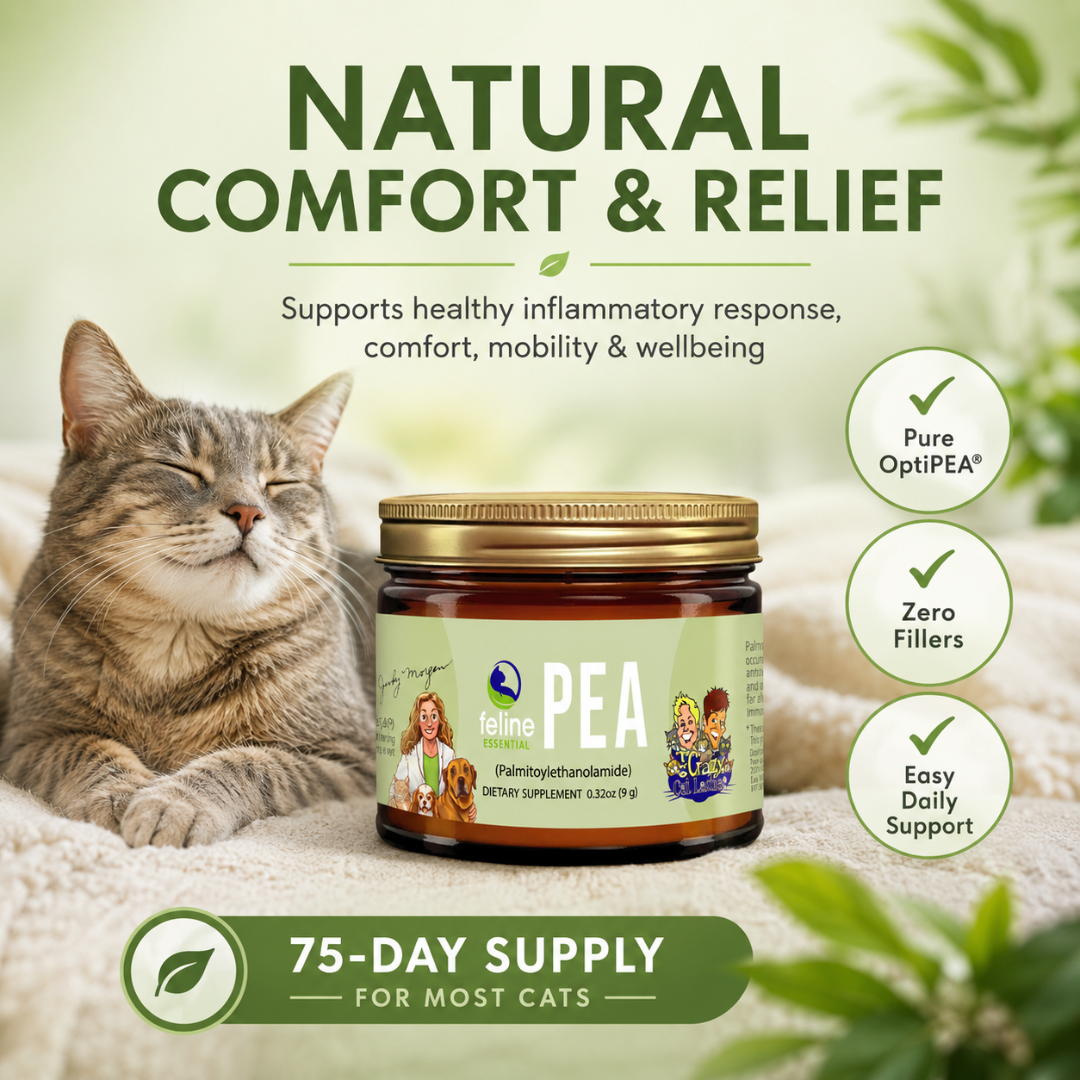
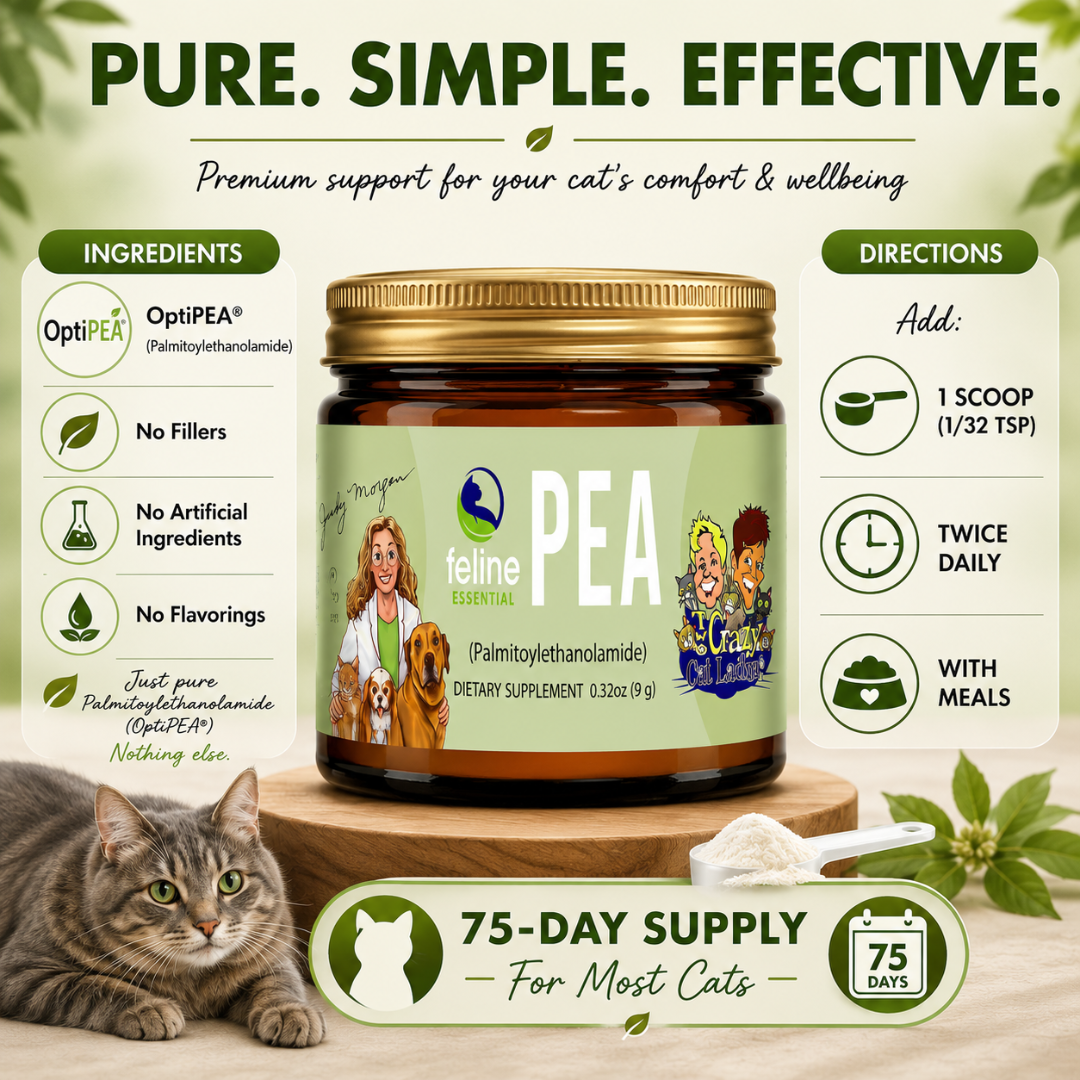
In full transparency, our PEA for Cats (formulated in collaboration with award-winning veterinarian, Dr. Judy Morgan) uses OptiPEA®, a patented, pharmaceutical-grade form of PEA manufactured under the strictest quality standards. OptiPEA® has been used in numerous scientific studies and is known for its exceptional purity and consistency.
How Does PEA Work?
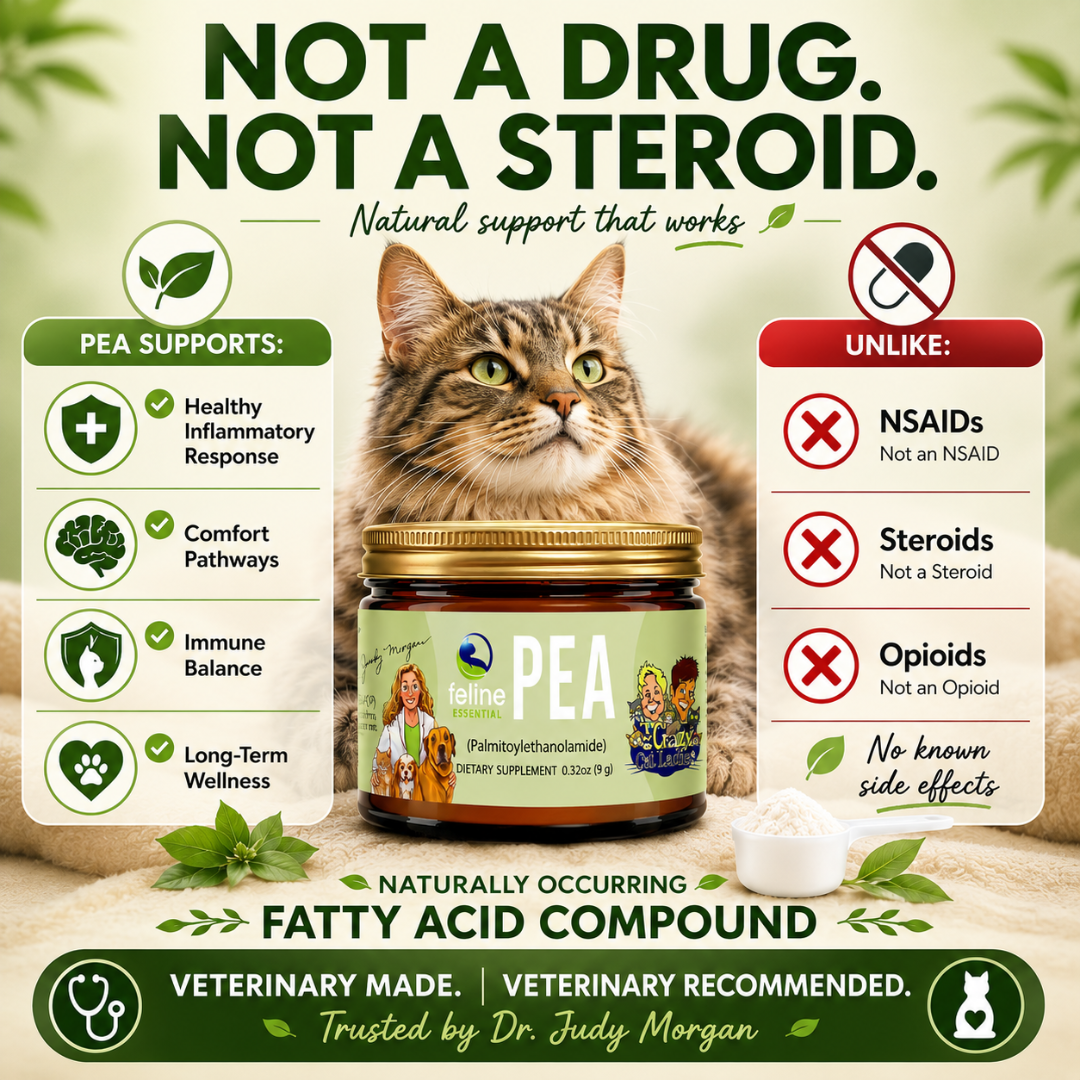
Unlike pain medications that block pain signals or NSAIDs that inhibit specific inflammatory enzymes, PEA supports the body’s own ability to regulate inflammation.
Researchers have found that PEA interacts with several important biological pathways involved in maintaining healthy inflammatory and immune responses.
One of its best-studied actions is helping regulate mast cells – immune cells that release inflammatory compounds such as histamine – and supporting the function of glial cells, which help protect and support the nervous system.
Rather than forcing inflammation to shut off, PEA helps create a more balanced response.
That’s why researchers often describe it as supporting the body’s own ability to maintain homeostasis.
Why Haven’t More People Heard About PEA?
PEA has been studied since the 1950s, yet many pet owners – and even many healthcare providers – are still unfamiliar with it. We only discovered it about 10 years ago.
One reason it’s still new news for a lot of people is because PEA isn’t a drug.
It can’t be patented in its natural form, which means there’s nearly no commercial marketing – like we see with prescription medications.
Instead, most awareness has come through scientific research, integrative medicine, and veterinarians looking for additional ways to support chronic inflammatory conditions.
As interest in natural and evidence-informed therapies continues to grow, PEA is becoming much more widely recognized.
What Does the Research Say?
PEA is one of the most extensively researched naturally occurring compounds used to support inflammation and nerve health.
Over the past seven decades, 700+ scientific publications have explored its safety and potential role in supporting:
- Healthy inflammatory responses
- Nerve comfort and function
- Joint mobility
- Immune regulation
- Skin health
- Bladder health
- Age-related changes
While research is ongoing, studies have consistently shown that PEA has an excellent safety profile and provides meaningful support as part of a comprehensive wellness plan.
It needs to be said that PEA is not a cure for disease. We view it as a tool that helps support the body’s natural ability to heal and find balance.
What Conditions Is PEA Commonly Used For?
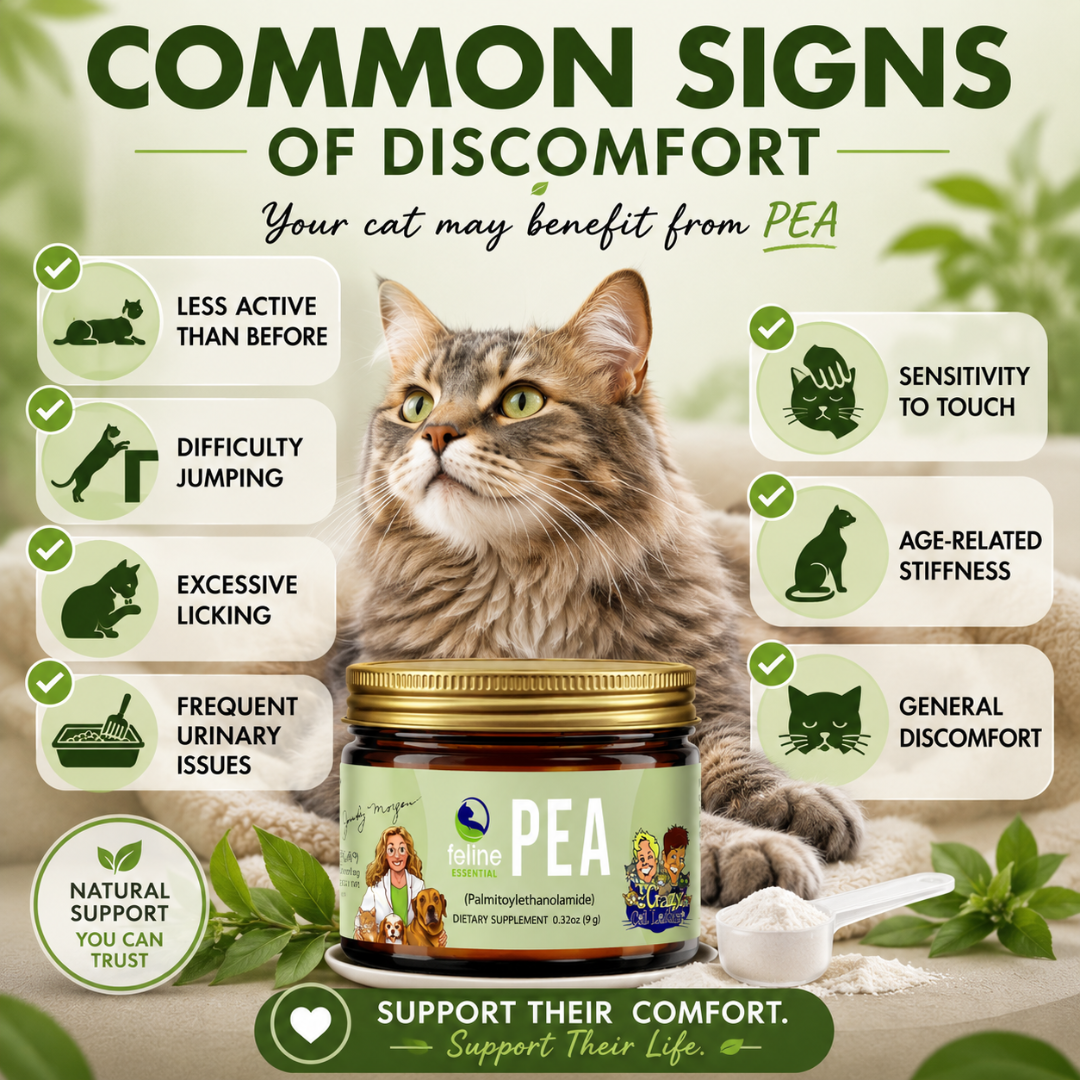
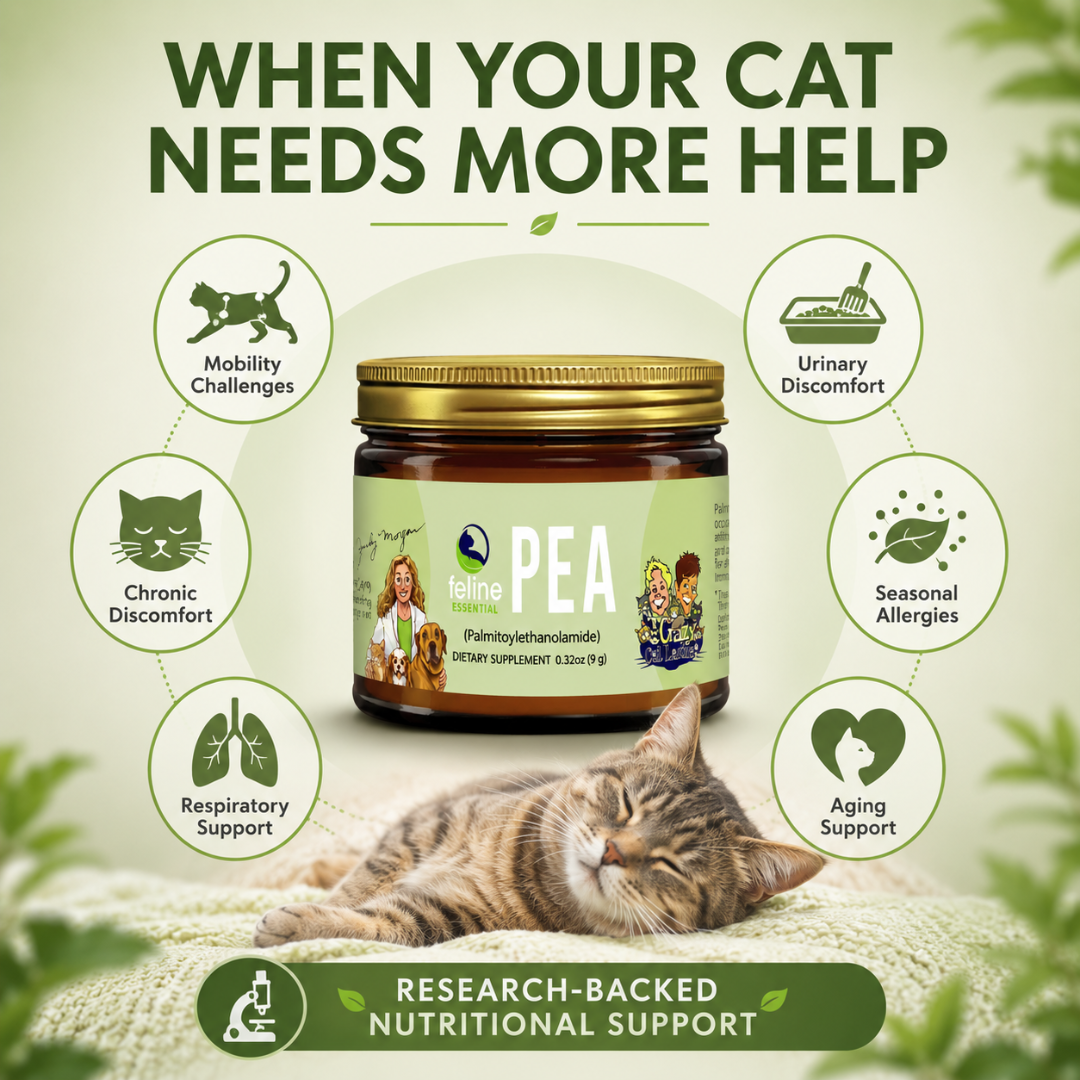
Integrative veterinarians often recommend PEA for cats experiencing:
- Arthritis and mobility challenges
- Age-related stiffness
- Chronic inflammatory conditions
- Feline idiopathic cystitis (FIC) and urinary discomfort
- Allergies and itchy skin
- Nerve-related discomfort
- Recovery after injury or surgery
- General healthy aging
Every cat is unique, so it’s always important to work with your veterinarian to determine whether PEA is appropriate for your cat’s specific needs.
PEA may not be a household name (yet!) but decades of research suggest it deserves far more attention.
Because it is naturally produced by the body and works by supporting the body’s own ability to maintain balance, many integrative veterinarians now consider it a valuable tool for cats experiencing chronic inflammatory challenges, mobility changes, urinary concerns, allergies, and healthy aging.
While no supplement is a cure-all, understanding how PEA works can help you make more informed decisions about your cat’s long-term wellness.
If you’re considering PEA for your cat, look for a high-quality, research-backed form and work with a veterinarian who can help determine whether it’s a good fit for your cat’s individual needs.
Frequently Asked Questions
Is PEA a pain medication?
No. PEA does not block pain signals like opioids or traditional analgesics. Instead, it supports the body’s natural inflammatory and immune responses.
Is PEA a steroid?
No. PEA is not a corticosteroid and does not work the way steroids do.
Is PEA an NSAID?
No. It works through different biological pathways than non-steroidal anti-inflammatory drugs.
Is PEA safe for long-term use?
Research has shown PEA to have an excellent safety profile. Always discuss long-term supplementation with your veterinarian, especially if your cat has other medical conditions or is taking medications.
How long does PEA take to work?
Every cat is different. Some caregivers notice changes within days, while others may not observe benefits for several weeks. Consistency is important.
Can PEA be used alongside other supplements or medications?
Many veterinarians use PEA alongside other therapies, but you should always consult your veterinarian before introducing any new supplement.
Palmitoylethanolamide – (PEA) for cats
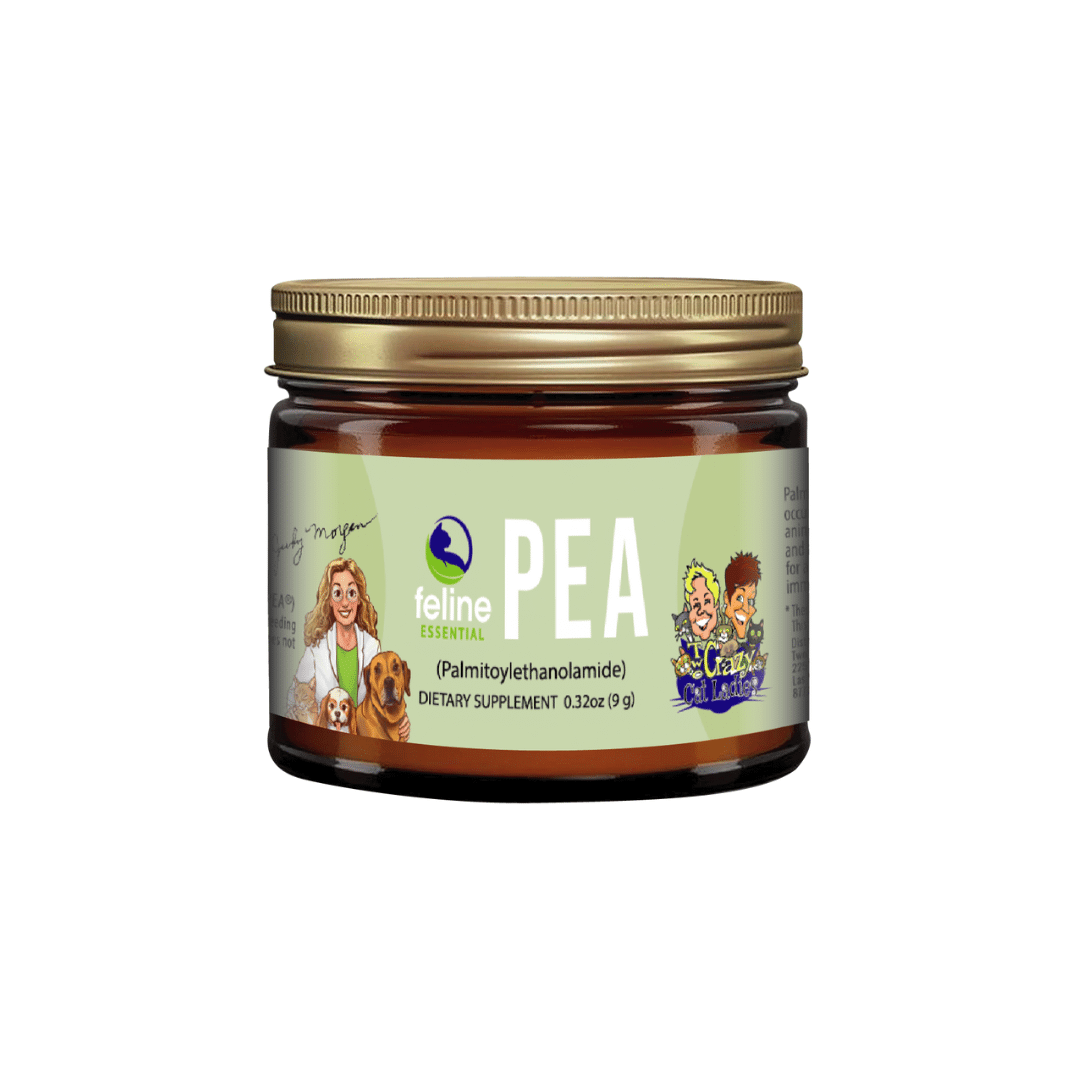
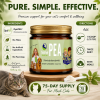
PEA for Cats
🔥 WAREHOUSE SALE: SAVE 30%! Discount automatically applied at checkout, no code needed. Best By March 2027, so please purchase only what your cat can reasonably use by then. Only while supplies last!
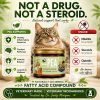
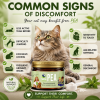
Palmitoylethanolamide, also known as PEA, is a naturally occurring fatty acid compound found in plants and animals. PEA works by supporting the function of glial (nerve) and mast (immune) cells in the body. A tiny amount of this wonder supplement can go a long way in bringing support to cats who struggle with ailments that other treatments just aren’t helping. Without any known side effects and a super easy addition to the food, this is a must have for cats!
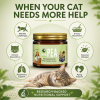
Formulated in collaboration with award-winning integrative veterinarian Dr. Judy Morgan, whose four decades of clinical experience have helped thousands of pets around the world.
Areas of PEA research include:
- Chronic pain of various sources.
- Cystitis and chronic urinary tract disease.
- Allergies (itching and skin lesions).
- Mast cell tumors.
- Idiopathic pulmonary fibrosis.
PEA does not directly block pain signals the way opioids and analgesics do. It is not an NSAID, opioid, or steroid. Instead, it works with the body’s own natural systems to help support a healthy inflammatory response and promote long-term comfort.
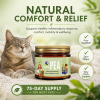
One bottle is a 75 day supply for most cats.
$29.99
In stock (can be backordered)